Delicacies from Austria
STYRIAN MOUNTAIN SHRIMP
Natural Raising – Guaranteed Chemical-Free
-
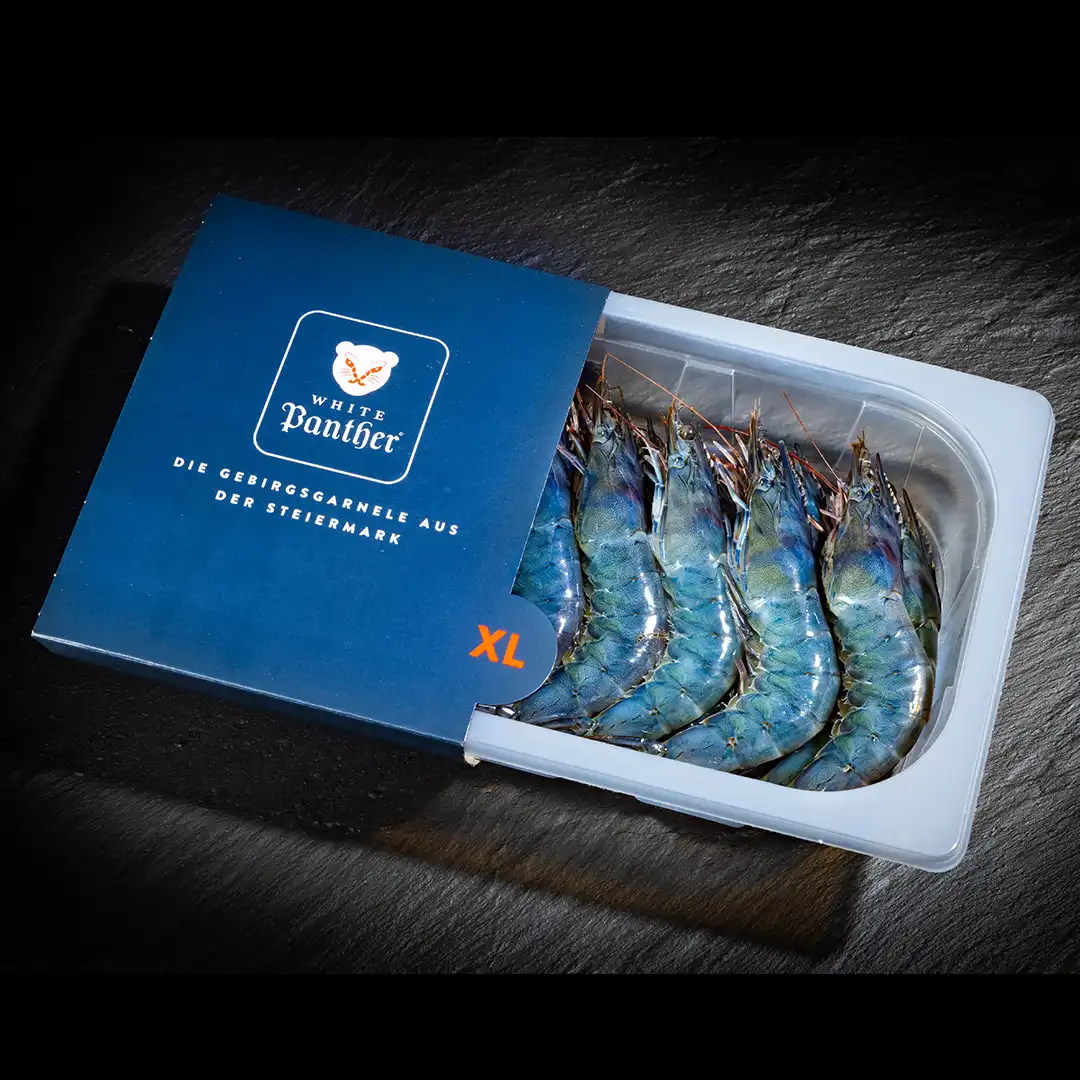
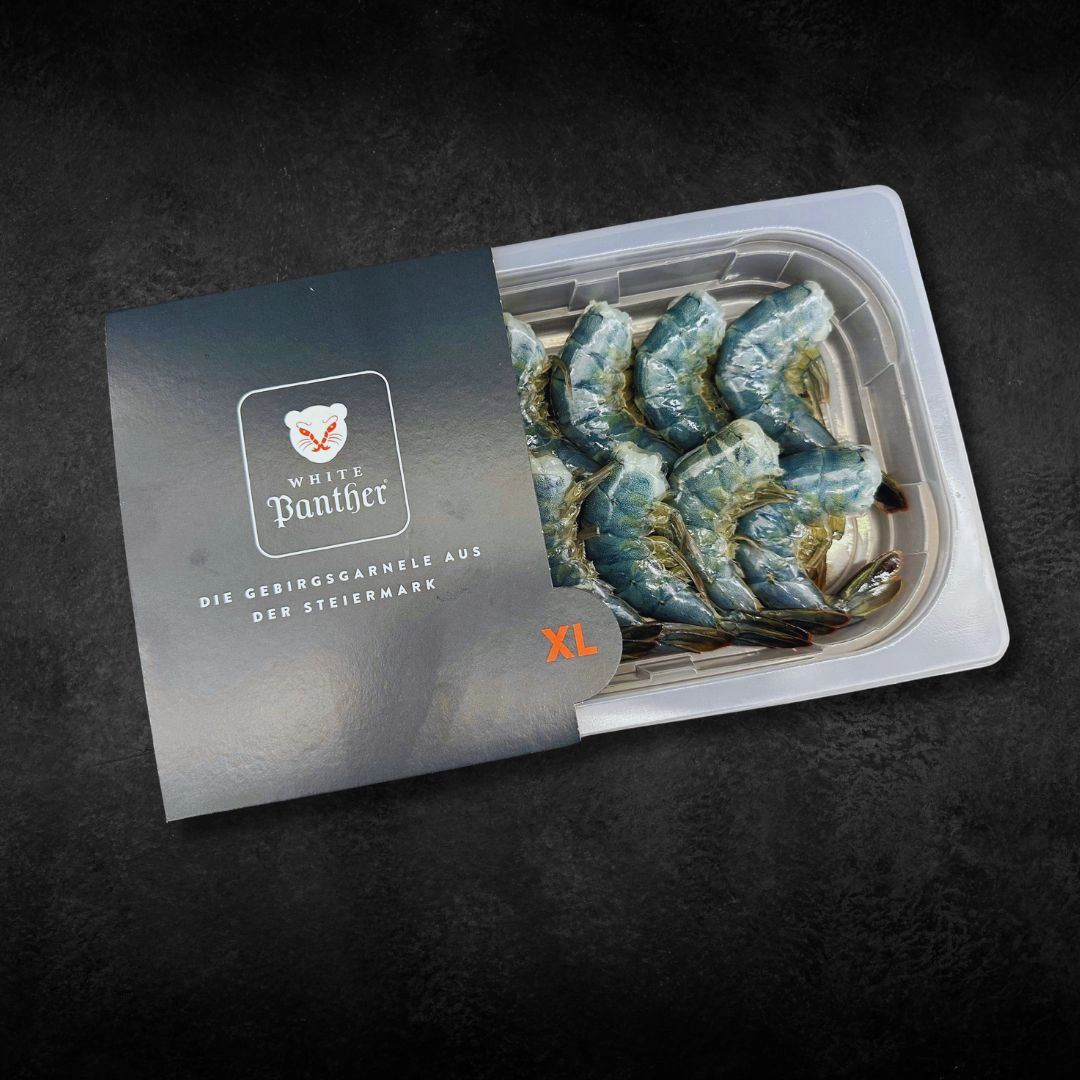
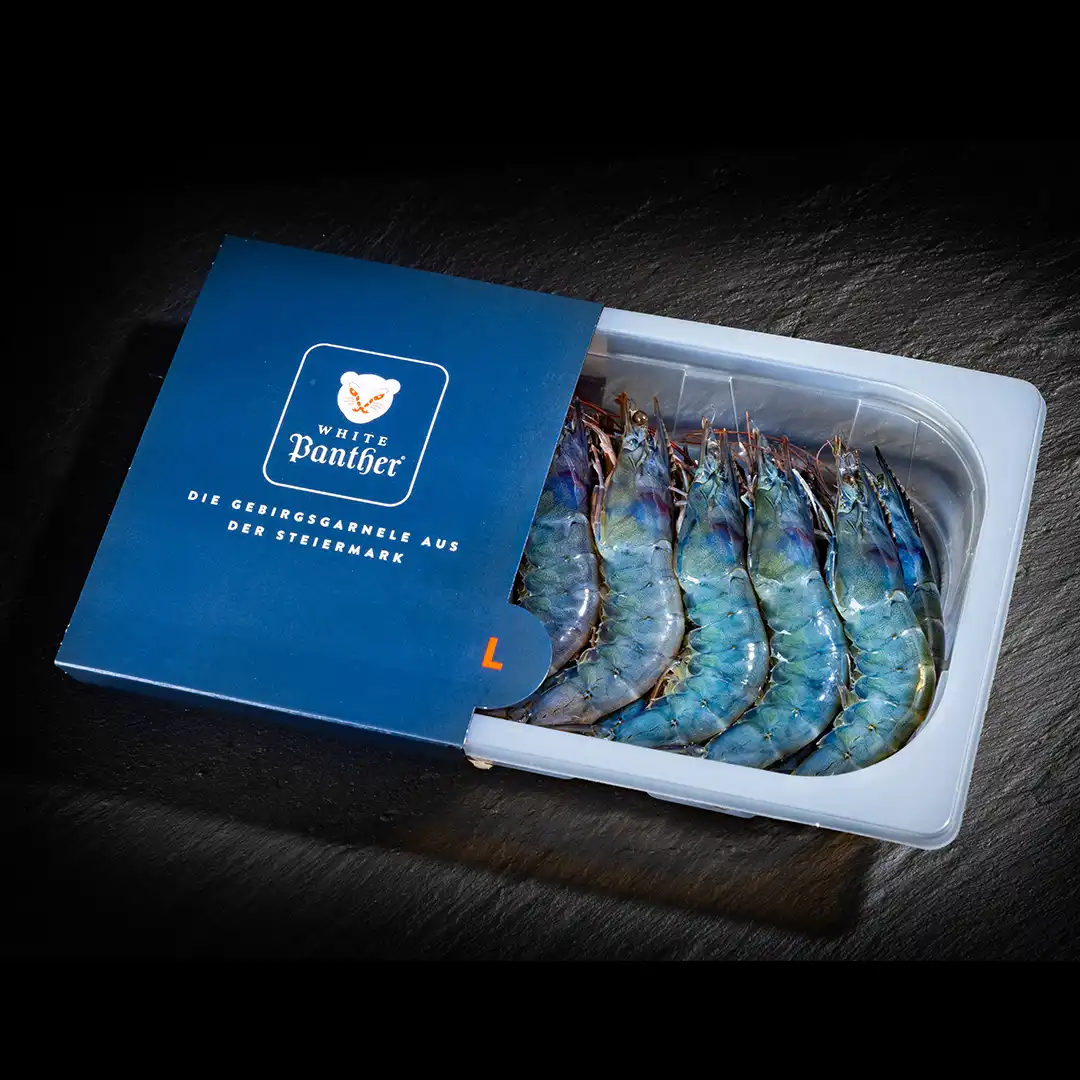
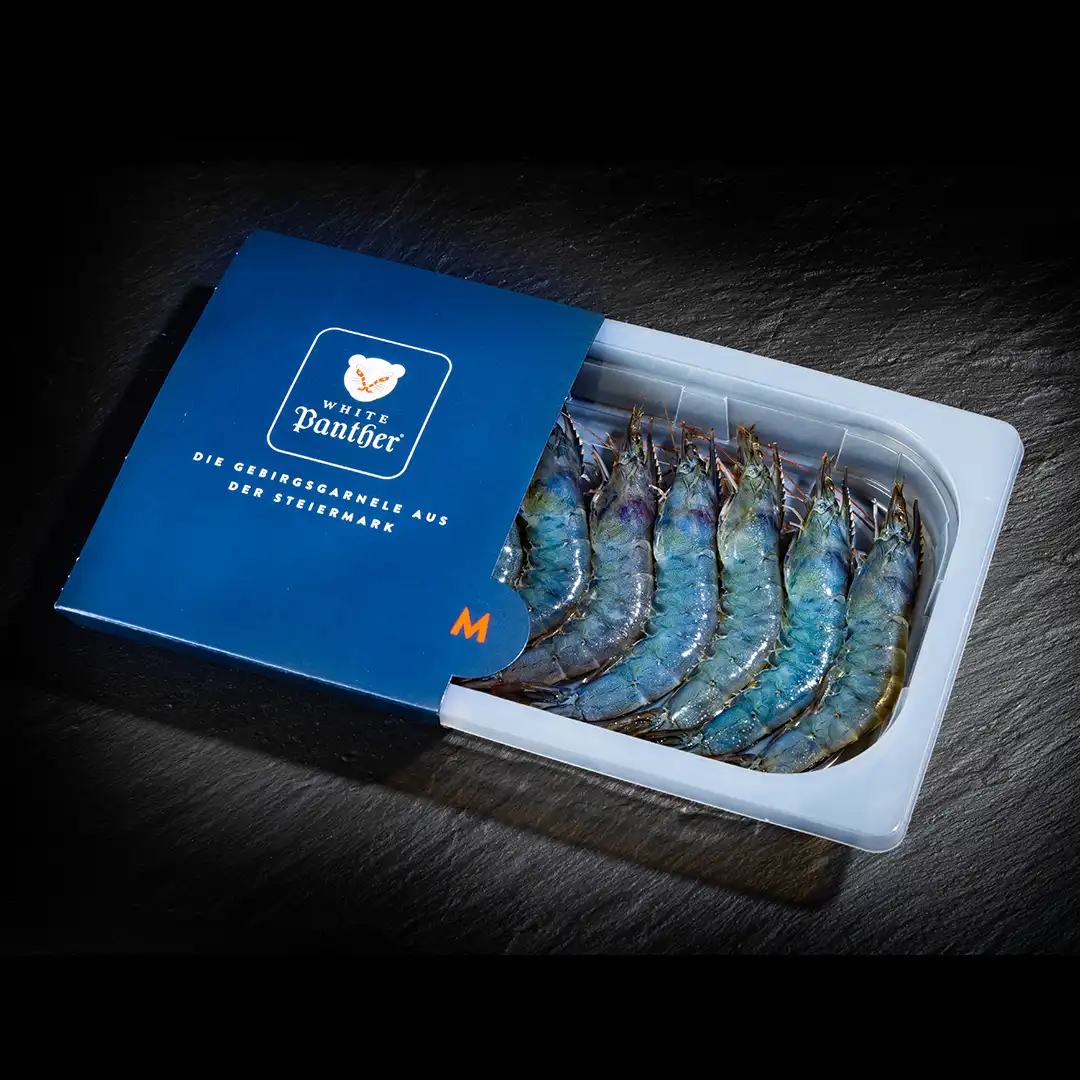
Easy Peel Mountain Shrimp, 200g
UVP:22,00 €Original price was: 22,00 €.AKTION 19,80 €Current price is: 19,80 €. inkl. MwSt.11,00 €9,90 € / 100 g
Shrimp Farming in Austria
Quality You Can Taste
Our shrimp farm sets new standards for quality and sustainability. Freshness is our top priority—instead of frozen products, we offer shrimp that are available immediately after harvest. The shrimp are raised without antibiotics or artificial additives, ensuring a natural product.
Pure mountain spring water creates optimal conditions for healthy shrimp, while local production ensures short transport distances and greater environmental sustainability. This meticulous farming method produces shrimp with a unique texture and a naturally sweet flavor, making them ideal for eating raw —perfect for sushi and fine dining.
At White Panther, we are committed to sustainable shrimp farming that combines the highest quality with environmental responsibility . Our shrimp are raised under optimal conditions in the purest mountain spring water —completely free of antibiotics or artificial additives.
The result: fresh, healthy shrimp that stand out for their firm texture and natural flavor .

Top Sellers
FROM OUR OWN FARM, IN HARMONY WITH NATURE'S CYCLE
Our mountain shrimp farm in Rottenmann, in the heart of Styria, was born out of a passion for Styrian mountain shrimp. White Panther Produktion GmbH is the only company in the D-A-CH region that breeds its own shrimp from the larval stage onward. We know exactly what’s in our products and how our shrimp were raised.
White Panther
Name & Color History
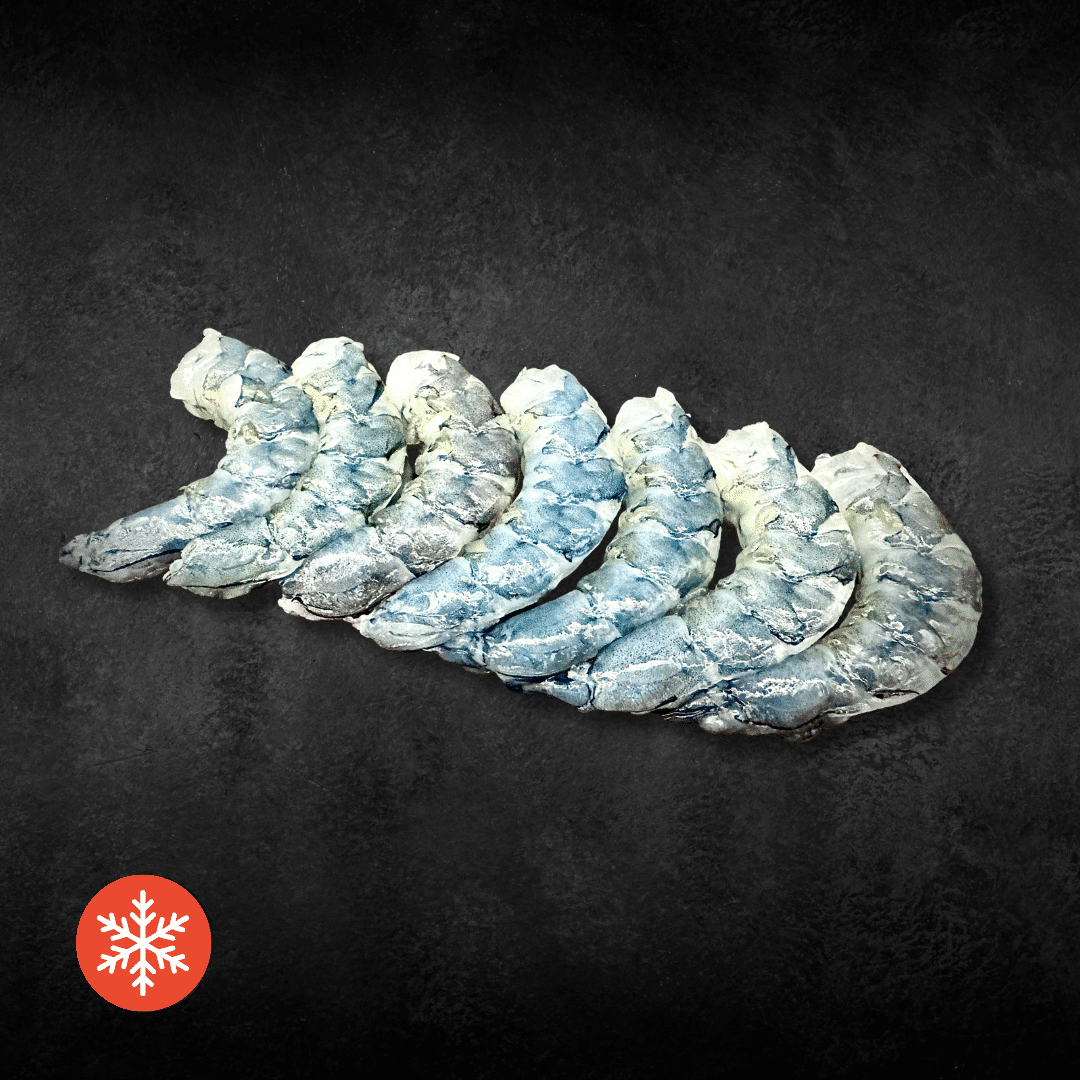
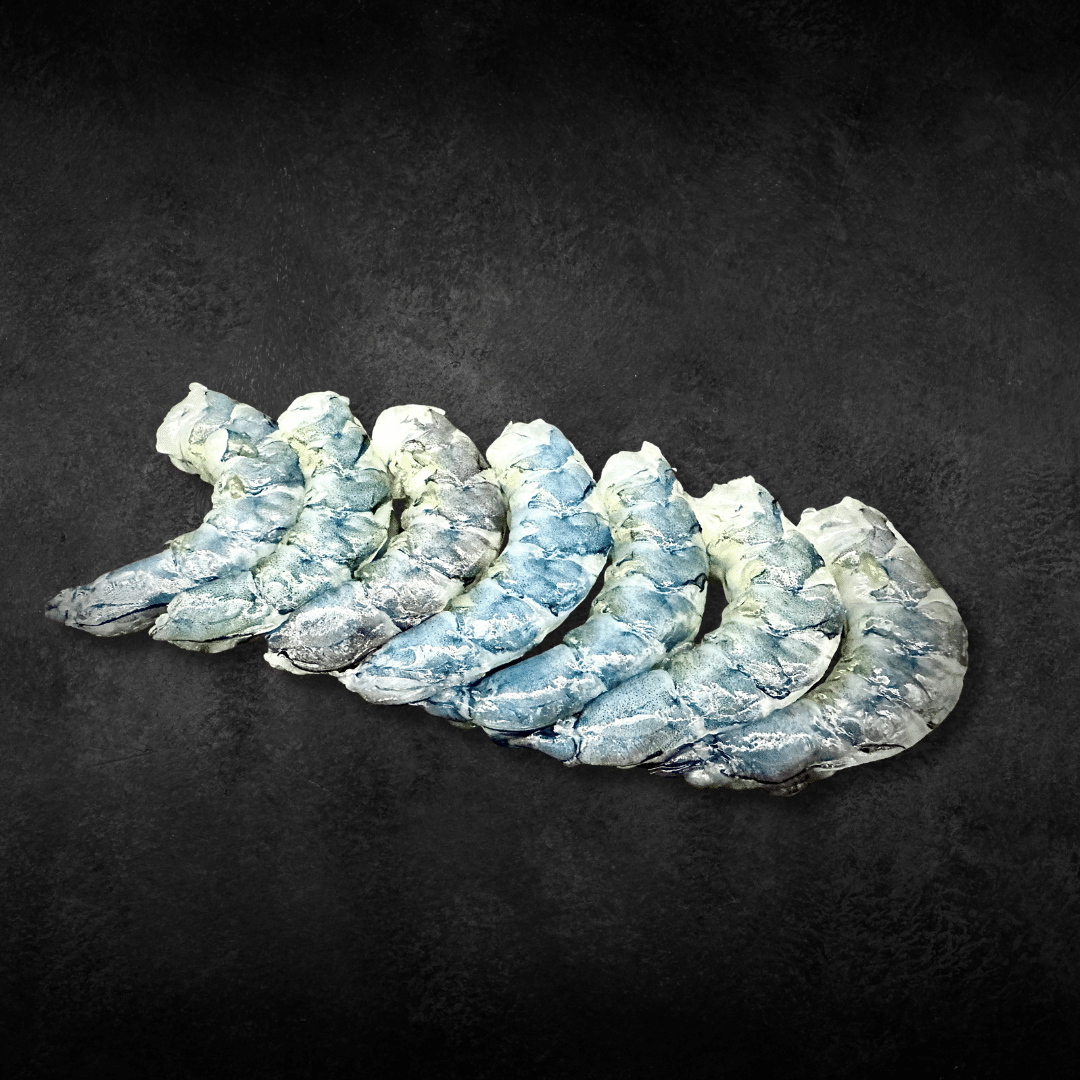
Why the shrimp is blue—and what White Panther has to do with it
Vannamei shrimp (Vanna mountain shrimp) are colloquially known as “White Tiger shrimp”; in reference to Styria’s heraldic animal—the heraldic panther—we call our mountain shrimp “White Panther mountain shrimp.”
This color change is related to the interaction between the protein crustacyanin and the pigment astaxanthin.
Astaxanthin is a carotenoid and is also responsible for the characteristic color of tomatoes, oranges, and carrots. When heated, the structure of crustacyanin changes in such a way that astaxanthin can no longer bind to it.
With the molecule now freed up, the red coloration can become dominant. This is related to the wavelengths of light that a particular substance absorbs or reflects. Carotenoids absorb blue and green light and reflect the red/orange portion of the spectrum; the shrimp takes on its characteristic color.